
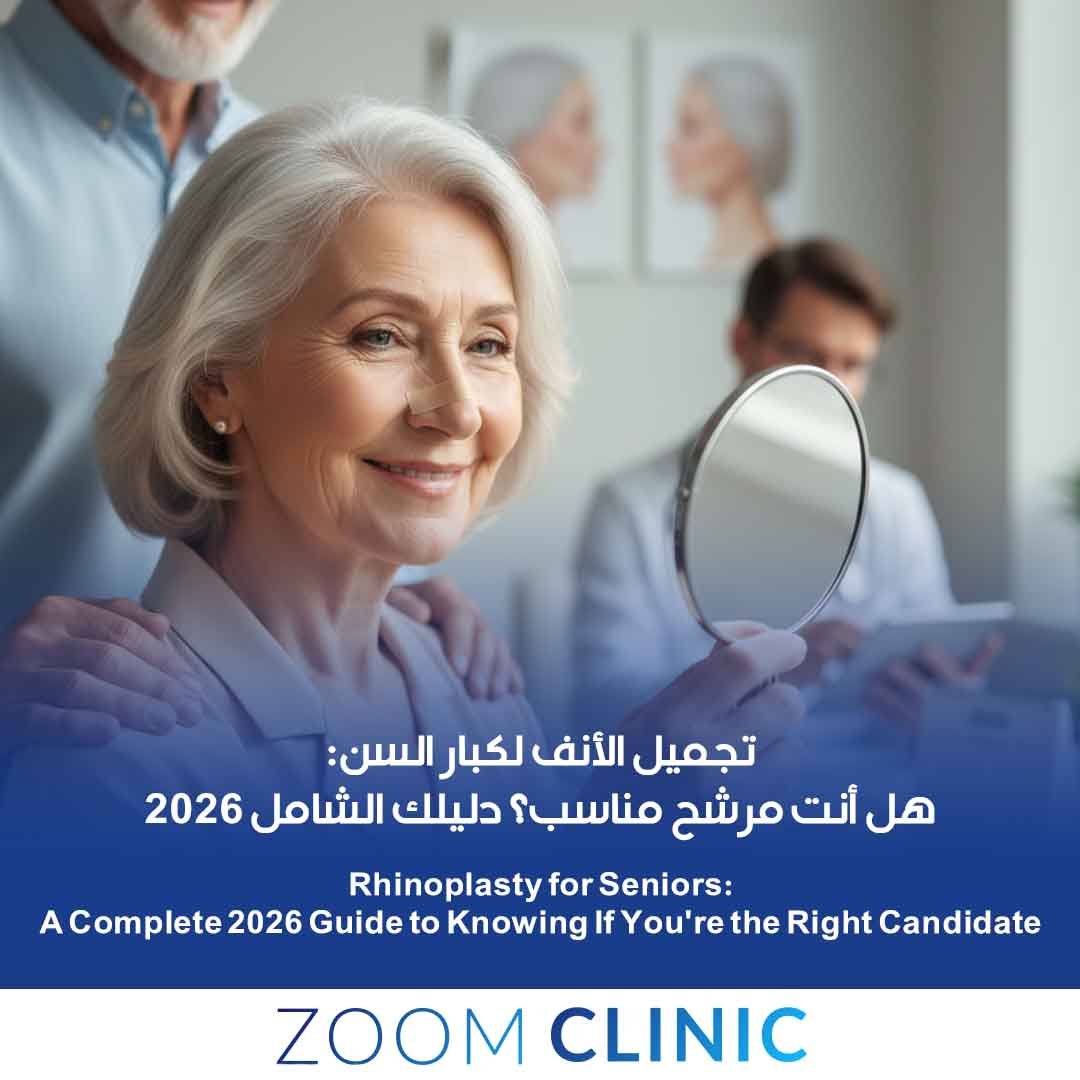
Do you look in the mirror and see that your nose has changed over the years? Do you feel that your nasal tip has drooped or that your nose appears larger than it was in your youth? You’re not alone in this feeling. The truth is that the nose changes with age just like other facial features, and these changes can affect your self-confidence and overall appearance.
The good news is that rhinoplasty for seniors has become a safe and effective option chosen by thousands worldwide. Statistics indicate that approximately 20% of rhinoplasty procedures in the United States are performed on people over fifty, and this number is continuously increasing. In this comprehensive guide, we’ll help you determine whether rhinoplasty for seniors is suitable for you and what you need to know before making this important decision.
Content
Why Do Seniors Choose Rhinoplasty?
Natural Changes That Affect the Nose with Aging
As we age, the nose undergoes natural physiological changes that cannot be ignored. The first of these changes is nasal tip drooping, a medical condition known as nasal tip ptosis, where the nasal tip loses its natural support and tilts downward due to weakening of the supporting cartilages and ligaments. This drooping makes the nose appear longer and heavier, potentially giving the face an older appearance.
Secondly, nasal cartilages weaken and lose their elasticity over time. Cartilages that were strong and flexible in youth become more brittle and less capable of maintaining the ideal nose shape. This weakness leads to sagging of the skin surrounding the nose and the appearance of fine wrinkles around the nasal base.
Additionally, there is a change in nose size relative to the face. With the loss of natural facial volume due to fat loss and decreased bone density, the nose becomes more prominent and appears larger compared to other facial features. This disparity disrupts the aesthetic harmony of the face and makes a person appear older than they actually are.
Aesthetic and Psychological Reasons
Many seniors decide to undergo rhinoplasty to restore self-confidence that may have been affected by changes in their appearance. Feeling satisfied with one’s external appearance is not a luxury but an essential part of mental health and overall quality of life, especially at a life stage where one is more mature and wise.
Some people have suffered throughout their lives from a nose shape they didn’t like, but they never found the opportunity or courage to undergo the procedure in their youth. Now, with retirement or after completing their major family responsibilities, they find the right time to fulfill this old dream. Getting rid of a decades-old problem can have a tremendous positive psychological impact.
Also, in an era where we live longer and more active lives, many seniors want their external appearance to reflect their internal vitality. The desire to keep pace with ongoing social and professional life activities drives many to seek ways to improve their appearance. Rhinoplasty can give the face a more youthful and vibrant appearance without looking artificial.
Improving harmony among facial features is another important reason. The nose is located at the center of the face, and any defect in its shape noticeably affects the overall appearance. A simple cosmetic procedure can restore aesthetic balance to the entire face and make a person feel they look much better.
Medical and Functional Reasons
Not all rhinoplasty procedures for seniors are performed for aesthetic reasons only. Many suffer from real breathing problems that worsen with age. Breathing difficulties associated with aging are very common, as the nasal muscles and valves that help smooth airflow weaken.
Weakening of internal nasal valves leads to partial obstruction of the airway, especially during sleep or physical exertion. This blockage not only causes breathing difficulty but may also lead to snoring, sleep apnea, and decreased blood oxygen levels.
Deviated septum is another problem that may worsen with age. The nasal septum is the thin wall that separates the two nostrils, and when deviated, it significantly obstructs airflow. Many people are born with a mild deviation that causes no problems in youth, but with age-related changes, this deviation becomes more troublesome.
Improving sleep quality and daily life is a primary goal for many patients. The ability to breathe freely affects every aspect of life: energy levels, ability to exercise, sleep quality, and even heart health. Rhinoplasty that addresses functional problems alongside aesthetic improvement provides real, measurable health benefits.
Is Rhinoplasty Safe for Seniors? Scientific Facts

Rhinoplasty for Seniors
What Medical Studies Say
The first question that comes to mind for anyone over fifty thinking about rhinoplasty is: Is this safe at my age? The answer based on scientific research is clear: yes, rhinoplasty is safe for seniors when performed correctly.
There is no maximum age limit for rhinoplasty. The real criterion is not chronological age but the patient’s overall health. Specialized plastic surgeons evaluate each case individually based on comprehensive health status and not the age number on an ID card.
Success and safety rates for rhinoplasty procedures in seniors are very encouraging. Medical studies published in respected scientific journals have shown that the rate of serious complications does not differ significantly between seniors and younger people when appropriate candidates are selected. Indeed, some studies found that seniors may be more compliant with post-operative instructions, contributing to better results.
Global statistics show a clear trend toward increased cosmetic procedures for seniors. In the United States, approximately 20% of all rhinoplasty procedures are performed on people over fifty. In Europe and the Middle East, the numbers are similar and continuously increasing. This reflects not only a growing desire among seniors but also physicians’ confidence in the safety of these procedures.
The required health conditions are clear and reasonable: good heart health, stable blood pressure, absence of uncontrolled chronic diseases, and absence of serious blood clotting problems. Most seniors who take care of their health easily meet these conditions.
Factors Determining Safety Level
Overall health status is the most important factor in determining procedure safety. People who exercise regularly, eat a healthy diet, and don’t smoke are usually excellent candidates for the procedure even if they’re in their sixties or seventies.
Chronic diseases and their impact must be carefully evaluated. Well-controlled diabetes does not prevent the procedure, but uncontrolled diabetes increases the risk of infection and slow healing. Blood pressure stabilized with medications is acceptable, but unstable pressure poses a risk during and after surgery. Minor heart diseases may not be a barrier, but a history of heart attacks or serious arterial problems requires careful evaluation by a cardiologist.
Quality of nasal tissues and skin is another important factor. Relatively thick skin and strong cartilages give better results. Very thin skin or very weak cartilages may require special techniques or additional cartilage grafting. Skin elasticity, although it decreases with age, is still sufficient in most seniors to achieve good results.
Medical history and medications must be carefully reviewed. Some medications like aspirin and other blood thinners increase bleeding risk and must be stopped or adjusted before the procedure. Immunosuppressive drugs, steroid medications, and some herbal supplements may affect healing. Therefore, complete transparency with the surgeon about all medications and supplements you take is critically important.
When Is Rhinoplasty Inappropriate?
Although the procedure is safe for most seniors, there are cases where it should be postponed or avoided entirely. Serious unstable health conditions such as acute heart failure, kidney failure, or advanced liver disease make any elective surgery risky.
Uncontrolled chronic diseases such as diabetes with very fluctuating sugar levels, or high blood pressure that doesn’t respond to treatment, significantly increase the risk of complications. In these cases, disease control must first be improved before considering surgery.
Unrealistic expectations are a psychological rather than medical problem, but they are an important reason for refusing to perform the procedure. If the patient believes that changing their nose shape will solve all life problems, or expects to look exactly like someone else, these are unrealistic expectations. An ethical surgeon will refuse to perform the procedure in this case because disappointment is almost certain.
Poor mental health such as severe untreated depression, or Body Dysmorphic Disorder, makes the procedure inappropriate. These conditions require psychological treatment first before considering any cosmetic surgical intervention.
Special Challenges of Rhinoplasty for Seniors

Rhinoplasty for Seniors
Anatomical Changes in the Nose
With aging, the nose undergoes fundamental anatomical changes that make surgery more technically challenging. Loss of skin elasticity is the first of these challenges. The skin covering the nose loses collagen and elastin, the two proteins responsible for elasticity and firmness. This means the skin doesn’t contract and adapt to the new shape as easily and quickly as young skin.
Weakening of cartilage structure poses another challenge. Nasal cartilages lose their strength and flexibility over the years, becoming more brittle and less capable of maintaining a new shape. This may require the surgeon to use additional support techniques or cartilage grafting from other areas such as the ear or ribs to strengthen the nasal structure.
Changes in skin thickness vary from person to person. Some seniors suffer from severe skin thinning that makes all fine details under the skin visible, requiring extreme precision in shaping cartilages. Others suffer from increased skin thickness due to years of sun exposure, and this thick skin hides some of the fine details the surgeon works on.
Bone changes include loss of bone density and thinning of nasal bones. This makes the process of breaking and reshaping bones require greater caution. Fragile bones may break unexpectedly or may not heal as quickly as young bones.
Additional Medical Considerations
Slow wound healing is a physiological reality that cannot be ignored. With aging, the body’s ability to repair tissues quickly decreases. Blood vessels become less efficient, and production of new cells slows down. This means the recovery period may be longer by a week or two compared to younger patients, but the final result will be of the same quality.
Increased swelling risk is a common problem in seniors. The lymphatic system that helps drain excess fluids becomes less efficient with age. This leads to swelling that lasts longer and requires greater patience from the patient. However, by using precise surgical techniques and adhering to post-operative instructions, this swelling can be significantly reduced.
Interaction with chronic medications must be carefully managed. Many seniors take daily medications for chronic diseases, and some of these medications may interact with anesthesia or pain relievers. The anesthesiologist and surgeon must work together to develop a safe plan that takes into account all medications the patient is taking.
The need for more careful follow-up is not a defect but a wise precaution. Seniors may need more follow-up visits to ensure healing is progressing correctly and that any small problems are discovered and treated early. This careful follow-up is part of excellent care and not a sign of problems.
Psychological and Social Challenges
Family and community concerns may create psychological pressure on the person considering the procedure. Some family members may express their concern in a way that makes the patient doubt their decision, saying things like “You’re too old for these procedures” or “Why do you care about your appearance now?” It’s important for the patient to remember that this is their personal decision, and that age is not a reason to give up caring about appearance and self-confidence.
Social pressures also come from societal stereotypes about the “appropriate age” for cosmetic procedures. But the truth is that cosmetic procedures are not limited to a specific age group. Everyone deserves to feel satisfied with their appearance regardless of age.
Managing expectations is crucial for the psychological success of the procedure. The patient must understand that the procedure will improve the nose’s appearance and make them look more youthful, but it won’t return them to their twenties. The ideal result is a nose that looks natural and harmonious with current facial features, not a nose that doesn’t match the rest of the face.
The longer recovery period may be a source of frustration for some patients. Young people may recover and return to normal life more quickly, while seniors need additional patience. But this is not failure; it’s a natural part of the healing process at this age. Patience and adherence to instructions ultimately lead to excellent results.
Are You a Suitable Candidate for Rhinoplasty?
Health Criteria
Before seriously considering rhinoplasty, it’s important to honestly assess your health status. The health checklist starts with simple questions: Do you suffer from chronic diseases? Are they well controlled? Do you take medications regularly? Do you have a family history of clotting or heart problems?
Necessary tests include comprehensive blood tests to evaluate liver and kidney functions, sugar levels if you have diabetes, and complete blood count to rule out anemia. These simple tests provide valuable information about your overall health.
Heart and blood pressure evaluation is very necessary. Most surgeons request an electrocardiogram (ECG) for every patient over fifty. If you have a cardiac medical history, you may also need an echocardiogram to more accurately assess heart function. Blood pressure should be measured several times to ensure its stability.
Basic blood tests also include clotting tests (PT, PTT, INR) to ensure your blood clots normally – not too slowly or too quickly. This test is very important to reduce bleeding risk during and after the procedure.
Physical Criteria
Quality of skin and tissues is a crucial factor in determining expected results. Skin that retains some elasticity gives better results than very sagging skin. The surgeon will carefully examine your nose skin to assess its thickness, elasticity, and ability to adapt to the new shape.
Amount of available cartilage is also important. If your nasal cartilages are strong and available in sufficient quantity, the surgeon will have enough material to work with and shape. If the cartilages are weak or insufficient, the surgeon may need to use cartilage from the ear or ribs as an additional source.
Current nasal structure determines the type of intervention required. A nose with minor problems needs a simpler and shorter procedure, while a nose suffering from major deformities or that has undergone previous surgeries needs more complex intervention.
Existing deformities must be precisely identified. Is the problem only in the nasal tip? Or in the nasal bridge? Or in the nostrils? Each deformity has a different treatment technique, and the skilled surgeon will evaluate all these aspects and develop a comprehensive surgical plan.
Psychological Criteria and Expectations
Psychological stability is a basic requirement for any cosmetic procedure. A person going through severe depression or suffering from unstable psychological disorders should postpone the procedure until their psychological condition improves. Cosmetics won’t solve deep psychological problems but may complicate them.
Realistic expectations are key to satisfaction with results. You must understand that rhinoplasty will significantly improve your nose’s appearance, but it won’t turn you into someone else. The ideal result is a nose that looks natural and harmonious with your face, not an artificial nose that looks strange on your features.
The correct motivation for the procedure should be your personal desire to improve your appearance, not an attempt to please someone else or respond to external pressures. If you’re doing it for yourself and your self-confidence, you’ll be satisfied with the results. But if you’re doing it to please others, no matter how good the result is, you may not feel satisfied.
Family support is very important, especially during the recovery period. You’ll need help in the first days after the procedure, and you’ll need someone to support you psychologically when you see temporary swelling and bruising. Make sure you have one or more family members or close friends who will support you through this journey.
Necessary Tests and Preparations Before the Procedure

Rhinoplasty for Seniors
Comprehensive Medical Tests
Overall health evaluation begins weeks before the procedure. The surgeon will ask you to undergo a comprehensive medical examination with your personal doctor to fully assess your health status. This examination includes blood pressure measurement, heart and lung examination, and evaluation of the body’s general condition.
Heart examination by electrocardiogram (ECG) is necessary for everyone over fifty. This simple, painless test reveals any heart rhythm problems or signs of heart disease that may not show symptoms clearly. In some cases, the doctor may also request an echocardiogram to more accurately assess heart muscle and valve function.
Blood and clotting tests include complete blood count (CBC) to rule out anemia and platelet problems, and clotting tests (PT, PTT, INR) to ensure your blood clots normally. These tests are crucial in reducing bleeding risk during and after surgery.
Liver and kidney function evaluation is important because these two organs are responsible for filtering medications and anesthesia from the body. Simple tests like creatinine and urea for kidneys, and liver enzymes (ALT, AST) provide a clear picture of these organs’ function.
Chest X-ray may be requested especially if you have a history of smoking or respiratory problems. This test helps the anesthesiologist assess your lung health before general anesthesia.
Specialized Nasal Evaluation
Clinical examination of the nose is the first step in specialized evaluation. The surgeon will examine your nose internally and externally, palpate the cartilages and bones, and assess the nose shape from all angles. They will ask you to breathe through each nostril separately to evaluate breathing function.
CT imaging may be necessary in some cases, especially if there are complex internal problems such as severe nasal septum deviation, chronic sinus infections, or bone structure deformities. This imaging gives the surgeon an accurate three-dimensional map of the nose’s internal structure.
Breathing and valve evaluation is done using special tests such as nasal airflow testing. The surgeon may use simple tools to temporarily open the nasal valves to see how breathing will improve after the procedure. This helps determine whether the problem is only in the valves or in the septum or nasal structure in general.
Photographic imaging and digital simulation have become an essential tool in planning the procedure. Your nose will be photographed from several angles: frontal, lateral, inferior, and semi-lateral angles. Using computer programs, the surgeon can show you an approximate visualization of the expected result. It’s important to understand that these images are approximate and not an accurate guarantee of the result, but they help you understand the surgeon’s vision and discuss your expectations.
Pre-Surgery Preparations
Adjusting chronic medications is a crucial step. If you’re taking blood-thinning medications like aspirin, warfarin, or others, the surgeon will ask you to stop them a week or two before the procedure depending on the medication type. But don’t do this on your own – coordination between the surgeon and the doctor who prescribed these medications is necessary to ensure you’re not exposed to another health risk.
Stopping blood thinners also includes some anti-inflammatory drugs like ibuprofen, and even some herbal supplements like ginkgo biloba, garlic in high doses, and vitamin E in large doses. All of these affect clotting and should be stopped before the procedure.
Quitting smoking is absolutely necessary. Smoking weakens the immune system, reduces blood flow to tissues, and significantly increases the risk of complications and healing problems. You must stop smoking at least four weeks before the procedure and for four weeks after. This is not an optional request – some surgeons refuse to perform the procedure for smokers who don’t comply.
Improving general health before the procedure includes eating a healthy diet rich in proteins and vitamins, especially vitamin C and zinc, which aid healing. Drinking adequate amounts of water, getting good sleep, and regular light exercise – all this prepares your body for the procedure and recovery.
Home arrangements are also important. You’ll need someone to drive you to and from the hospital on the day of the procedure. Arrange for someone to stay with you at least the first night. Prepare your home: place things you’ll need within reach, buy easy-to-prepare foods, and prepare a comfortable place to sleep with extra pillows to elevate your head.
Risks and Complications of Rhinoplasty for Seniors

Rhinoplasty for Seniors
Common Complications
Extended swelling and bruising are the most common symptoms after the procedure. Everyone who undergoes rhinoplasty will experience swelling, but seniors may find that swelling lasts a little longer. Visible swelling disappears mostly within two to three weeks, but hidden swelling may continue for months. Bruising around the eyes is common and starts changing from blue to purple then yellow before disappearing completely within two weeks.
Infection is relatively rare when medical instructions are followed precisely. Its occurrence rate is less than 2-3% in most studies. Signs of infection include increasing redness, severe pain, fever, or discharge of yellow or green secretions from the nose. Infection is treated with antibiotics, and in rare cases may require minor surgical intervention to drain it.
Bleeding during the first days after the procedure is normal and expected. Light bleeding or blood-mixed discharge for a day or two is not a cause for concern. But heavy or continuous bleeding requires immediate contact with the surgeon. Patients taking blood thinners are more prone to bleeding, so stopping these medications before the procedure is crucial.
Wound healing problems may occur especially in smokers or uncontrolled diabetics. External wounds usually heal without problems, but internal wounds may heal slowly in some cases. Adherence to wound care instructions and good nutrition greatly help proper healing.
The occurrence rates of these complications are generally low. Studies indicate that less than 10% of patients experience any major complication, and most of these complications can be easily treated if discovered early.
Special Risks for Seniors
Anesthesia complications may be slightly higher in seniors, especially general anesthesia. Nausea and vomiting after anesthesia are common, and recovery from anesthesia effects may take longer. For this reason, some surgeons prefer to use local anesthesia with mild sedation for older patients when possible. An experienced anesthesiologist will assess your condition and choose the safest method for you.
Heart and blood pressure problems during and after surgery must be carefully monitored. Stress and pain may raise blood pressure, which in turn may increase bleeding risk. Patients with a cardiac medical history undergo continuous cardiac monitoring during the procedure, and the medical team is ready for immediate intervention if any problem occurs.
Blood clots, although rare, are a serious complication that must be prevented. Staying in a lying position for long periods increases the risk of clot formation in the legs. For this reason, light walking is recommended as soon as your condition allows, wearing compression stockings if recommended by the doctor, and drinking adequate amounts of fluids.
Slow healing is a reality that must be patiently accepted. The human body in the sixties or seventies doesn’t recover at the same speed as a person’s body in their twenties. This is not failure but biological reality. The final result will be excellent, but it will need a little more time to fully appear.
How to Reduce Risks
Choosing an experienced surgeon is the most important step in reducing risks. A surgeon specialized in nasal procedures with special experience with seniors will know how to deal with the unique challenges of this age group. Don’t hesitate to ask about the surgeon’s experience with patients your age.
Full disclosure of health status is very necessary. Don’t hide any information about your health, no matter how simple it seems. Every detail may be important: medications you take, supplements, allergies, previous surgeries, even old injuries. The more the surgeon knows about your condition, the better they can protect you.
Adhering to instructions before and after the procedure is not optional. Stopping smoking, adjusting medications, fasting before the procedure, elevating the head after the procedure, taking medications on time – all these instructions were put in place for a specific reason, which is your protection. Compliant patients get the best results and suffer the least complications.
Regular follow-up with the surgeon after the procedure is essential. Don’t miss any follow-up appointment. These visits allow the surgeon to detect any small problem before it worsens. Most serious complications can be avoided if discovered early and treated immediately.
Cost of Rhinoplasty for Seniors
Factors Affecting Cost
Surgeon’s experience and reputation play a major role in determining cost. A surgeon who has spent years honing their skills, published scientific research, and performed hundreds or thousands of successful procedures deserves higher fees. Experience is priceless when it comes to your face. The difference in cost between an experienced surgeon and a less experienced one may seem large, but the difference in results is much larger.
Type of procedure and its complexity directly affect cost. A simple procedure to improve the nasal tip costs less than a comprehensive procedure that includes complete nasal reconstruction, nasal septum correction, and cartilage grafting. The greater the complexity and time required in the operating room, the higher the cost.
Geographic location has a clear impact. Rhinoplasty in a major city like Dubai, Riyadh, or Cairo usually costs more than the same procedure in smaller cities. This reflects living costs, medical staff wages, and facility rental in each area. But beware of traveling very long distances in search of a cheaper price, because post-operative follow-up is very important.
Techniques used such as three-dimensional imaging, digital simulation, use of advanced surgical tools, all add to the cost but improve result accuracy and patient satisfaction.
Medical facilities and level of care also have an impact. A modern medical center equipped with the latest equipment, operating rooms sterilized to the highest standards, and a specialized nursing team – all this has a cost but provides greater safety and comfort.
Approximate Cost
Average costs vary significantly around the world. In Gulf countries, the cost generally ranges between 15,000 to 35,000 Saudi Riyals or equivalent. In Egypt and Jordan, the cost is usually lower and ranges between 40,000 to 80,000 Egyptian Pounds or equivalent. In Turkey, which has become a popular destination for medical tourism, the cost ranges between 3,000 to 6,000 US Dollars including accommodation.
The difference between countries reflects several factors: standard of living, strength of local currency, competition between medical centers, and government costs and taxes. But low cost doesn’t necessarily mean lower quality, just as high cost doesn’t always guarantee the best results. Research and careful evaluation are necessary.
Additional costs must be taken into account when calculating the total budget. Pre-operative medical tests may cost 500 to 1,500 dollars depending on their number and complexity. Post-operative medications (pain relievers, antibiotics, medications to reduce swelling) may cost 100 to 300 dollars. Follow-up visits are usually included in the basic cost but not always, so ask clearly. If you’re traveling from another city, add travel and accommodation costs.
Health Insurance and Coverage
When does insurance cover the procedure? Rhinoplasty procedures performed for purely medical reasons may be fully or partially covered by insurance. If the procedure is to correct serious breathing problems, repair a deformity resulting from an accident or injury, or treat a congenital defect affecting function, the chances of insurance coverage are good.
Medically necessary cases include: airway obstruction due to severe septum deviation, severe nasal valve weakness affecting breathing, or nasal deformities resulting from accidents. In these cases, the surgeon will document the medical necessity with reports, images, and breathing tests to submit to the insurance company.
Dealing with insurance companies requires patience and persistence. Get pre-authorization before performing the procedure. Submit all required documents accurately. If your request is rejected, you have the right to appeal. Many initial rejections are accepted upon appeal when you provide additional information or clarifications. Some medical centers have employees specialized in dealing with insurance who can help you in this process.
It’s important to know that even when insurance covers the medical part of the procedure, any additional aesthetic improvements are usually not covered and must be paid for separately.
Choosing the Right Surgeon: The Most Important Step

Rhinoplasty for Seniors
Required Qualifications and Experience
Board certification and accredited certificates are the first thing to verify. A qualified surgeon must hold board certification in plastic surgery or otolaryngology with additional training in cosmetic nasal surgeries. In the Arab world, look for certificates from recognized bodies such as the American Board, European Board, or Arab Board of Medical Specialties.
Specialization in nasal surgery is very important. A surgeon who performs 100 nasal procedures annually will be more skilled than a surgeon who performs only 10 procedures. Don’t hesitate to ask: How many rhinoplasty procedures do you perform annually? What percentage of your procedures are rhinoplasty compared to other procedures?
Experience with seniors specifically is a crucial question. Tissue and anatomy of the nose differ in seniors, and the required techniques may differ. Ask the surgeon: Do you have special experience with patients my age? How many procedures have you performed on patients over fifty? Can I see before and after photos of similar cases?
Membership in specialized medical societies is a good indicator of the surgeon’s commitment to continuous development. Membership in the American Society of Plastic Surgeons, European Academy of Facial and Nasal Surgery, or Arab Society of Plastic Surgeons – all these indicate that the surgeon keeps up with the latest developments in the field.
Questions to Ask the Surgeon
Number of similar procedures the surgeon has performed is a basic question. Don’t feel embarrassed to ask directly: How many rhinoplasty procedures have you performed in your professional career? How many of them were for patients in my age group? A confident surgeon will answer honestly and may offer you photos of previous cases (while maintaining patient privacy).
Success and complication rate is a completely legitimate question. Every surgeon faces complications sometimes – no one is perfect. But an honest surgeon will tell you the complication rate they’ve encountered and how they dealt with it. Ask: What percentage of patients needed a revision procedure? What complications have you encountered most? How do you deal with them?
Method of dealing with problems reveals a lot about the surgeon’s personality and professionalism. Ask: What happens if I’m not satisfied with the result? Do you perform free revision procedures if the problem is from the first procedure? How do you follow up with patients after the procedure? A good surgeon will be clear and honest in their answers.
Follow-up policy must be clear from the beginning. Ask: How many follow-up visits are included in the cost? Are you available for emergencies after work hours? What happens if I need help at night or on weekends? Good follow-up is no less important than the procedure itself.
Warning Signs of Unqualified Surgeons
Unrealistic promises are a big red flag. If the surgeon promises you a “perfect” nose or “a nose like a movie star,” or promises you’ll look twenty years younger, run away immediately. An honest surgeon talks about realistic improvements and a nose harmonious with your face, not fantastical promises.
Lack of cost clarity is a serious problem. A transparent surgeon gives you a complete cost breakdown: surgeon’s fees, hospital or center, anesthesia, medications, follow-ups. If the surgeon refuses to give you a clear number or says “we’ll know the cost after the procedure,” this is unacceptable. The cost must be clear before signing anything.
Pressure to make a quick decision is a very bad sign. Rhinoplasty is a big decision that needs thought and time. An ethical surgeon will give you enough time to think, review information, and consult your family. If you feel the surgeon is pressuring you to book an appointment immediately or offers a “special offer ending today,” this is a business practice, not medical.
Lack of interest in medical history is very dangerous. A good surgeon spends a long time asking about your health, diseases, medications, previous surgeries, even your allergies. If the surgeon doesn’t ask you about all these details, or seems rushed or uninterested, they’re not taking your safety seriously.
Alternatives to Surgery: Non-Surgical Options for Seniors
Liquid Rhinoplasty with Fillers
How does filler rhinoplasty work? This is a non-surgical technique that uses injectable fillers (usually hyaluronic acid) at specific points in the nose to correct minor deformities. Fillers can be used to fill a depression in the nasal bridge, slightly raise the nasal tip, camouflage a small nasal hump, or improve overall nasal symmetry.
The advantages are clear: no surgery or general anesthesia, the procedure takes only 15-30 minutes, you can return to normal life almost immediately, results are instant and appear directly, pain is very minimal, and if you don’t like the result, the filler can be dissolved with a special enzyme.
The disadvantages must also be known: results are temporary and last only 6-18 months, it cannot reduce nose size but only add volume, it doesn’t treat functional breathing problems, and in rare cases may cause serious complications if injected incorrectly.
Duration of results depends on the type of filler used and your body’s absorption rate. Most fillers last 8-12 months in the nose, after which you need a refill session. Some see this as an advantage (they can change their mind), and some see it as a disadvantage (recurring cost).
Who is the suitable candidate? People who have only minor deformities, those who want to “try” a new look before committing to permanent surgery, those who cannot or don’t want to undergo surgery, or those who need quick improvement for an upcoming occasion.
Thread Lift
The technique and procedure involve inserting special medical threads under the skin to lift the nasal tip or tighten sagging skin. Threads may be absorbable or permanent, and some are equipped with small barbs that grip the tissues. The procedure is done under local anesthesia and takes about 30-45 minutes.
Expected results are modest compared to surgery. Threads can slightly lift a drooping nasal tip and improve its shape, but they cannot radically change the nasal structure. Improvement is usually subtle and natural, and this may be sufficient for some people.
The difference with traditional surgery is significant. Threads cannot reduce nose size, remove a nasal hump, change nose width, or treat internal breathing problems. Their results are less lasting (last 1-2 years) and don’t provide the same degree of improvement that surgery provides.
This technique is less common in the nose compared to the face, and there is still debate among doctors about its long-term effectiveness for the nose specifically.
When Is Surgery the Only Solution?
Cases requiring surgical intervention are clear: if you want to reduce or narrow the nose (fillers and threads cannot do this), if you have a large nasal hump that needs removal, if you suffer from functional breathing problems requiring internal correction, if there is a nasal deviation requiring reconstruction, or if you want permanent results that don’t need repetition.
A comprehensive comparison between options helps you make a decision:
Surgery: permanent results, comprehensive change possible, treats functional problems, but requires longer recovery, higher cost, and surgical risks.
Fillers: quick and simple, no general anesthesia, immediate recovery, but temporary, limited in what it can achieve, and cost recurs.
Threads: less invasive than surgery, but very limited in results, temporary, and not suitable for all cases.
How to make the right decision? Ask yourself: What degree of change do I want? Do I want permanent or temporary results? Do I have breathing problems requiring treatment? Can I tolerate a recovery period? Consult a qualified surgeon who will evaluate your condition and recommend the most suitable option for you.
Frequently Asked Questions
What is the maximum age for rhinoplasty?
There is no specific maximum age for rhinoplasty. The decisive factor is overall health status and not chronological age. Many people in their seventies and eighties successfully undergo the procedure as long as they enjoy good health and don’t suffer from serious diseases preventing anesthesia or surgery. Most important is comprehensive medical examination and the surgeon’s evaluation of your suitability for the procedure based on your health and not your age.
Does rhinoplasty cause breathing problems for seniors?
On the contrary, rhinoplasty for seniors often improves breathing rather than the opposite. With aging, nasal valves weaken and the septum may deviate, causing breathing difficulty. A skilled surgeon treats these problems during the cosmetic procedure so the patient gets a more beautiful nose and better breathing function. Breathing problems after the procedure are very rare and usually temporary due to swelling.
How much does rhinoplasty cost for seniors?
The cost generally ranges between 3,000 to 8,000 dollars depending on the country, surgeon, and type of procedure. The cost may be slightly higher for seniors due to the need for additional tests and more careful follow-up. If the procedure is for medical reasons such as improving breathing, health insurance may cover part of it. The actual cost depends on many factors including the surgeon’s experience and complexity of your case.
Can rhinoplasty be combined with other cosmetic procedures?
Yes, it’s common to combine rhinoplasty with other procedures such as facelift or eyelid lift for comprehensive and harmonious rejuvenation. This saves time and cost and achieves more harmonious results. But the patient must be in excellent health to tolerate multiple procedures in one session, and the anesthesiologist must approve. The surgeon will evaluate your condition and determine whether combining is safe and suitable for you.
What is the difference between rhinoplasty for youth and seniors?
The basic difference lies in tissue changes with age. Seniors have less elastic skin and weaker cartilages, requiring different surgical techniques and sometimes additional cartilage grafting. Also, recovery may take a little longer, but the final results can be excellent with the same quality. A surgeon experienced in dealing with seniors knows how to handle these differences to achieve natural and satisfactory results.
Conclusion
Rhinoplasty for seniors is safe and achievable when overall health is good and expectations are realistic. Age is not a barrier, as natural nasal changes and breathing issues can be successfully treated. What matters most is proper medical evaluation, choosing an experienced surgeon, and patience during recovery. At Zoom Clinic, we offer specialized expertise and advanced techniques to ensure the best results with the highest safety standards. Age is just a number, and beauty is a right at every stage of life.
read also Rhinoplasty for Teens: What Parents Should Know
Get the special offer today from Zoom Clinic