
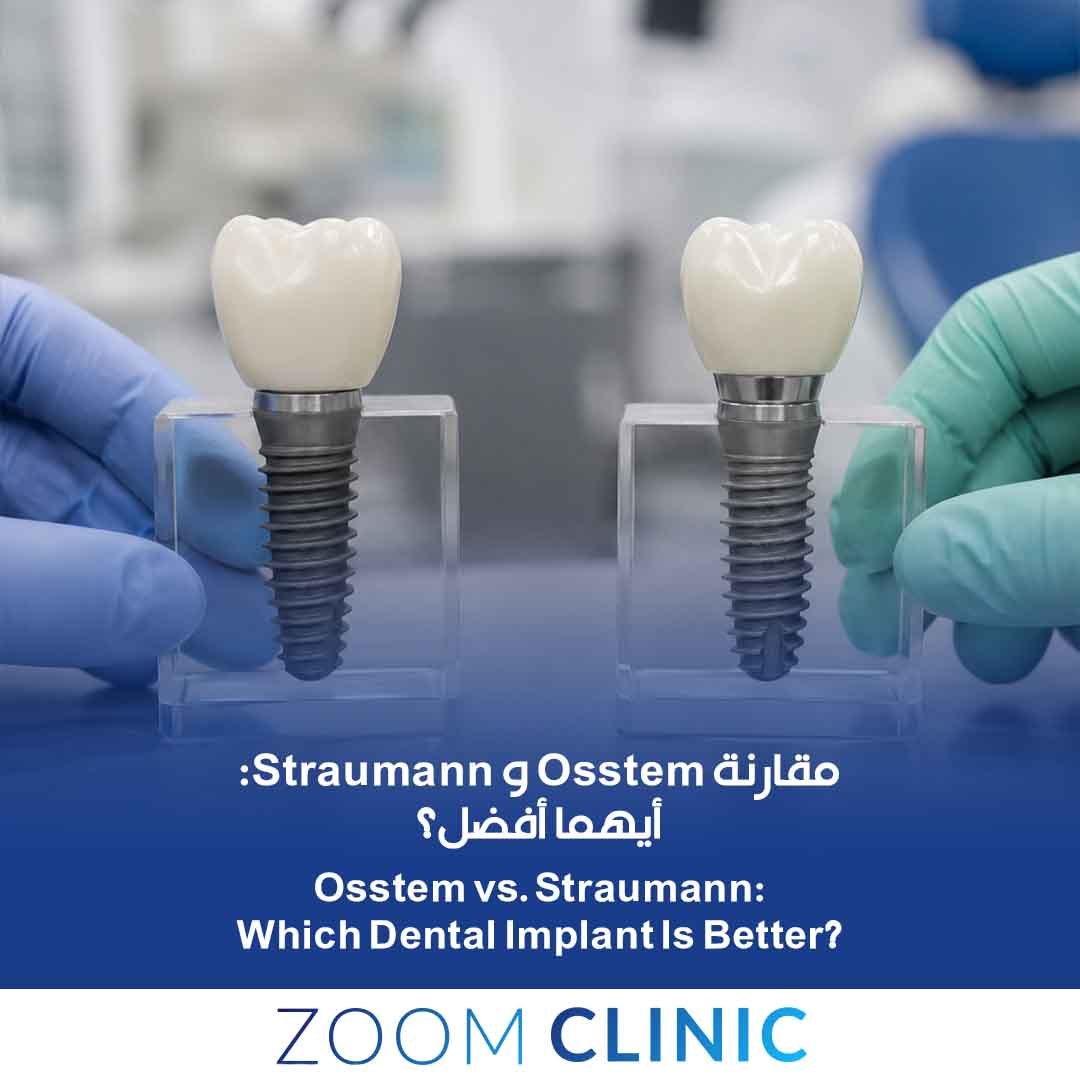
Dental implantation is one of the most significant medical decisions for anyone dealing with the loss of one or more teeth. It is not merely a cosmetic procedure, but a long-term investment in oral health and quality of life.
With the wide variety of brands available on the market, many patients find themselves genuinely torn between two widely used options: South Korean Osstem implants and Swiss Straumann implants.
Each of these two brands follows a different manufacturing philosophy, employs its own surface technology, and targets a distinct price segment of patients.
In this comprehensive guide, we explain in detail the fundamental differences between the two types from a technical, clinical, and pricing perspective, to help you understand which option is closer to your case before making a final decision in coordination with your dentist.
Content
What Are Osstem Implants?
Osstem is a South Korean company founded in the early 1990s, and today it is considered one of the largest dental implant manufacturers in the world by sales volume.
The company has built a strong reputation over the past two decades, based on a clear strategy: offering reliably high-quality products at competitive prices that make them accessible to a wider segment of patients.
This strategy has contributed to the spread of Osstem implants across more than 70 countries worldwide, particularly in Asia and the Middle East, where large numbers of clinics and medical centers work with the brand.
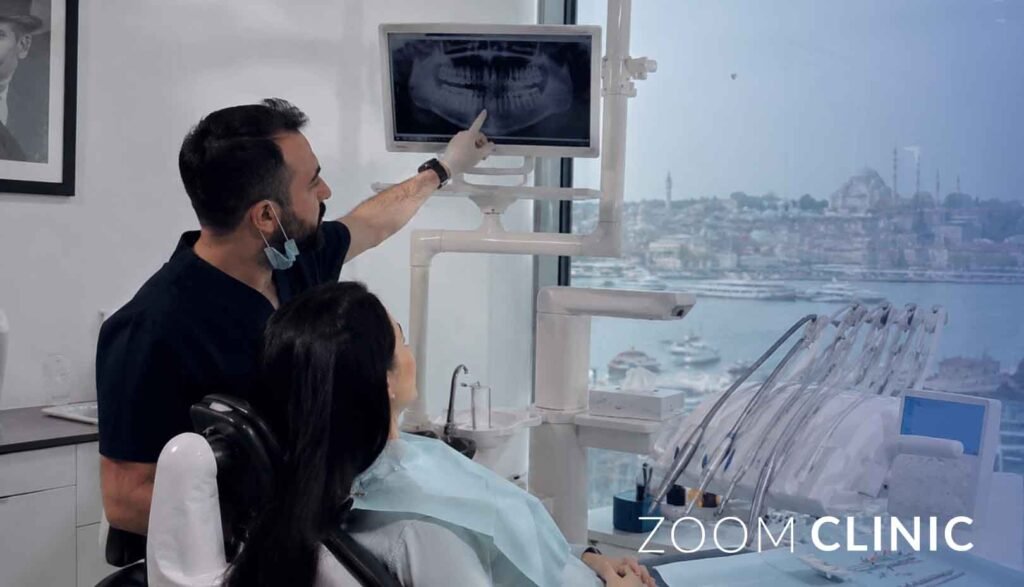
Osstem Implants and Straumann Implants
Where Osstem Implants Come From and What Sets Them Apart Technically
Osstem implants are based on a tapered design that helps achieve good primary stability immediately after the implant is placed in the jawbone.
On the surface level, the company uses SA treatment, a technology based on sandblasting and acid-etching, which is considered one of the most widely used surface treatments in the dental implant industry due to its proven effectiveness in improving implant-to-bone integration (osseointegration).
Among the most prominent systems offered by the company is the TS III system, known for its straightforward placement and good stability in cases of healthy bone, making it a popular choice for dentists seeking a practical, quick-to-place solution without additional complications.
The company later developed other surfaces such as CA and HA, in an effort to improve the speed of bone integration and replicate some of the advantages of the hydrophilic surfaces used in premium brands.
Overall, Osstem is classified as an economical option that maintains internationally recognized quality standards, which explains its widespread adoption by clinics that serve large numbers of international patients.
What Are Straumann Implants?
Straumann is a Swiss company founded in the 1950s, and it is globally classified within the luxury, or “premium,” category of the dental implant industry, alongside a limited number of other Swiss and German brands.
Straumann’s philosophy differs fundamentally from Osstem’s. It follows an entirely different strategy: heavy investment in long-term clinical research and building a documented scientific track record spanning decades, rather than competing on price.
This research-driven approach has made the company a key partner to international scientific associations specializing in dental implantology, and a frequently cited reference in peer-reviewed medical literature.
SLActive and Roxolid Technology, and What They Mean for the Patient in Practice
Straumann relies on a surface known as SLActive, a further development of the traditional SLA technology, characterized by a hydrophilic property that makes the implant interact more readily with blood and surrounding tissue fluids from the very first moments after placement.
This property significantly accelerates the bone integration process compared to traditional surfaces, which opens the door to early loading protocols in certain suitable casesmeaning the final crown can be placed sooner than usual.
In terms of the manufacturing material, Straumann also offers an exclusive alloy called Roxolid, a blend of titanium and zirconium in a ratio of approximately 85% to 15%.
This blend gives the implant greater mechanical strength than pure titanium, allowing for the manufacture of smaller-diameter implants without sacrificing durabilityan important advantage in cases where bone space between adjacent teeth is limited.
Together, these technologies make Straumann a particularly preferred option in more complex clinical cases, such as low bone density, or cases requiring immediate implantation on the same day as tooth extraction.
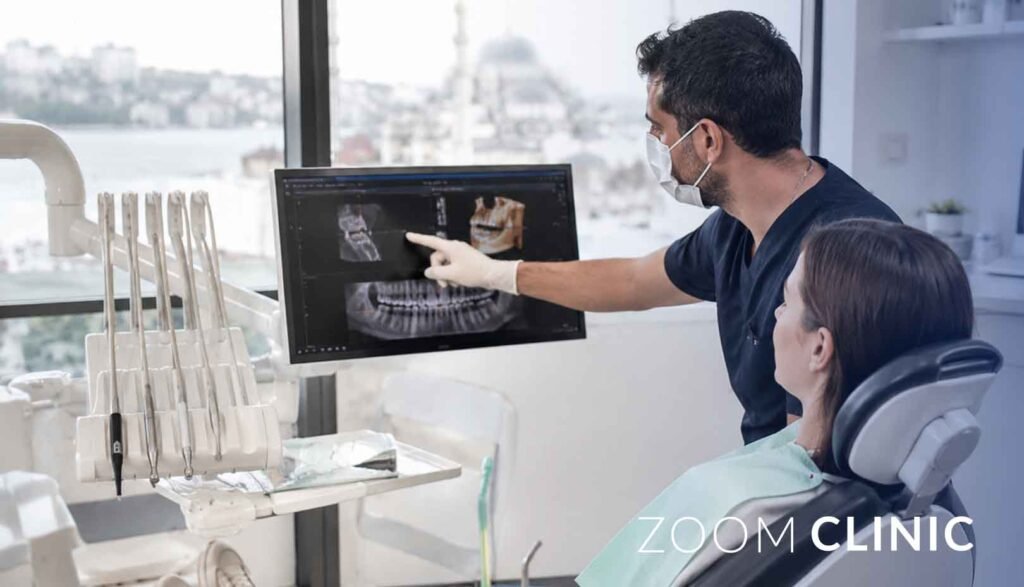
Osstem Implants and Straumann Implants
Direct Comparison: Osstem vs. Straumann
To make the comparison easier, we summarize the main differences between the two types in the table below:
| Criterion | Osstem | Straumann |
| Country of origin | South Korea | Switzerland |
| Year founded | Early 1990s | Mid-1950s |
| Surface technology | SA (sandblasted and acid-etched) | SLActive (hydrophilic surface) |
| Manufacturing material | Medical-grade titanium | Titanium, or Roxolid alloy |
| Speed of bone integration | Moderate to good | Relatively fast, with early loading protocols |
| Price category | Economical | Premium |
| Global presence | More than 70 countries | Extensive global research and clinical network |
| Best suited for | Simple cases with healthy bone | Complex cases and low bone density |
This table offers a quick overview, but it is not a substitute for a direct evaluation by your dentist of your individual case, as clinical factors are far more important than any general brand comparison.
Price Differences Between the Two Types in Turkey
One of the main reasons international patients are drawn to Turkey is the significant difference in the cost of dental implants compared to Western Europe and North America, regardless of the type of implant chosen.
Generally speaking, Osstem implants are noticeably less expensive than Straumann, which makes them well-suited for patients seeking a good balance between quality and price, especially in cases that do not require advanced techniques.
In contrast, the cost of Straumann implants is higher due to the patents behind SLActive technology and the Roxolid alloy, in addition to the substantial research investment the company puts into developing its products every year.
That said, the cost of Straumann implants in Turkey remains far lower than in Europe or the United States, because the cost of medical labor and accompanying services in Turkey is generally competitive, regardless of implant type.
It is also important to consider the total cost of the treatment journey, not just the price of a single implant, since some clinics offer comprehensive packages that include accommodation, transportation, and follow-up care, which can significantly change the overall value calculation.
We always recommend requesting a detailed price quote from the clinic, specifying precisely the type of implant used, the number of sessions required, and whether the quoted cost covers all stages of treatment or only part of them.
Which One Suits Your Case?
There is no single correct answer that suits every patient, as the optimal choice depends on a range of clinical and personal factors that should be carefully evaluated together with your dentist.
When Straumann Is Recommended
If you suffer from low bone density, Straumann may be the safer option, thanks to its surface technology that supports faster, more stable integration even in bone of lower-than-normal density.
This brand is also particularly well-suited for cases requiring immediate implantation on the same day as tooth extraction, as the hydrophilic surface property helps reduce the waiting time needed before the final crown is placed.
It is also preferred in aesthetically sensitive cases in the front of the mouth, where a high degree of precision is needed in abutment design and in achieving a natural match with the surrounding gum contour. You can learn more about the requirements of these aesthetic cases on our dental cosmetics page.
When Osstem Is an Ideal Choice
If you have good bone density and an uncomplicated dental case, Osstem implants deliver reliable results at a lower cost, without sacrificing the essential quality standards required for the long-term success of the procedure.
This option is also well-suited for those needing a single tooth implant or a limited number of implants, without the need for advanced techniques or complex early loading protocols.
Osstem is also a logical choice for patients seeking good economic value within a comprehensive treatment package, particularly in multiple-implant cases where overall costs can rise significantly when using premium brands.
Success Rates and Reliability of Each Type
Beyond the marketing differences between brands, it is useful to know that titanium implants with treated surfaces generally show very high success rates overall, regardless of the specific brand, provided proper medical follow-up is maintained after the procedure.
According to a systematic review published in the peer-reviewed journal British Dental Journal, the study included 30 papers covering 1,719 participants, and found consistently high success rates ranging from roughly 91% to 100%, while long-term survival rates varied depending on the surface treatment used by each system.
This finding is important because it shows that the difference between various brands, including Osstem and Straumann, is not a difference between “safe” and “unsafe,” but rather a difference in finer details such as speed of integration, behavior in difficult cases, and the level of clinical documentation available for each system.
Overall, Straumann has a longer and broader research track record spanning decades, a factor that reassures dentists when dealing with complex or atypical cases, while Osstem relies on a comparatively newer track record that is nonetheless gaining increasing acceptance in regional studies, particularly in Asia.
Ultimately, the surgeon’s experience and the precision of pre-operative planning remain among the most important factors influencing successand in many cases, they may matter even more than the choice of brand itself.
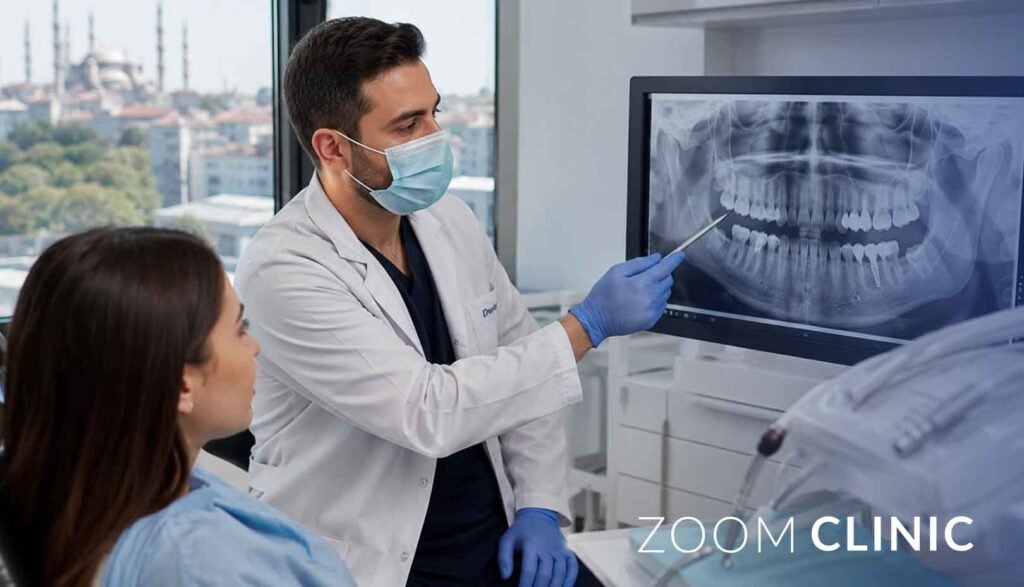
Osstem Implants and Straumann Implants
Practical Tips Before Choosing an Implant Type When Traveling to Turkey
Ask your treating dentist directly about the type of implant proposed for your case, and don’t hesitate to ask for a clear clinical explanation behind this choice rather than relying on price alone.
Make sure you receive an original implant certificate (Implant Passport or Implant Card) proving the manufacturer’s name, the implant type, and its serial number, as this document is essential for any future follow-up.
Also check for the availability of an official warranty issued by the manufacturer itself, not just by the clinic, especially in case you later need follow-up care or a partial implant replacement in your home country.
It is also useful to know in advance how many trips to Turkey are required, as some cases need only a single visit thanks to immediate implantation techniques, while others require two visits several months apart to place the final crown after bone integration is complete. You can read more about this difference in our dedicated article on immediate dental implants.
And if your case involves a noticeable lack of bone density, your dentist may need to discuss bone grafting options with you before starting the actual implantation, a topic covered in detail in our comprehensive guide to dental implants: types, procedures, and more.
Frequently Asked Questions
Can an Osstem implant be replaced with Straumann spare parts later?
No. Each manufacturer develops its own abutments and screws with engineering specifications that are not compatible with other companies’ systems. This is why it is very important to know precisely which type of implant was placed and to keep its official certificate in a safe place, to ensure the possibility of follow-up or repair at any other clinic in the future without any technical compatibility issues.
Which of the two types is more suitable for patients with diabetes or osteoporosis?
Straumann implants are generally preferred in these specific cases, due to the hydrophilic surface technology that supports faster, more stable integration even in bone of lower-than-normal density. That said, the final decision remains with the treating dentist after a thorough examination of bone density and the patient’s overall health condition, as Osstem may still be a suitable option in certain well-controlled individual cases.
How long does the recovery period take with each type of implant?
The traditional bone integration period ranges from roughly 3 to 6 months for both types in normal, uncomplicated cases. Straumann’s SLActive surface may shorten this period in certain clinically suitable cases. Actual recovery speed also depends on important individual factors such as bone density, overall gum health, and strict adherence to the dentist’s post-procedure instructions.
Are Osstem implants as safe as Straumann implants?
Yes. Both types are made from internationally certified medical-grade titanium that is biocompatible with the human body. The main difference lies in the surface treatment technology and the speed of bone integration, not in the basic safety of the material itself. Both systems achieve very high success rates when placed by a qualified dentist and followed by proper medical care immediately after the procedure.
Is the price difference between the two types actually worth the extra cost?
This depends largely on the nature of your dental case and your personal treatment goals. For simple cases with healthy bone, Osstem offers excellent value at a lower cost and with reliable quality. In complex cases, or those requiring immediate implantation or precise aesthetic solutions in the front of the mouth, the additional cost of Straumann may be entirely justified given its documented success rates in these specific challenging scenarios.
Conclusion
Ultimately, there is no absolutely “better” type between Osstem and Straumannrather, there is a more suitable type for each individual dental case, and this is the correct standard by which to approach the decision.
If your budget is limited and your dental case is simple with healthy bone, Osstem is a reliable and cost-effective option that delivers long-term results without unnecessary expense.
And if you are looking for the highest standards of modern technology for a complex case or one requiring a high degree of aesthetic precision, Straumann is worth the additional investment given its long research track record.
The most important step in this decision remains consulting a qualified, experienced dentist, who will accurately assess your case through clinical examination and appropriate imaging, before making the final decision on the most suitable implant type for your treatment journey in Turkey.
Get the special offer today from Zoom Clinic