
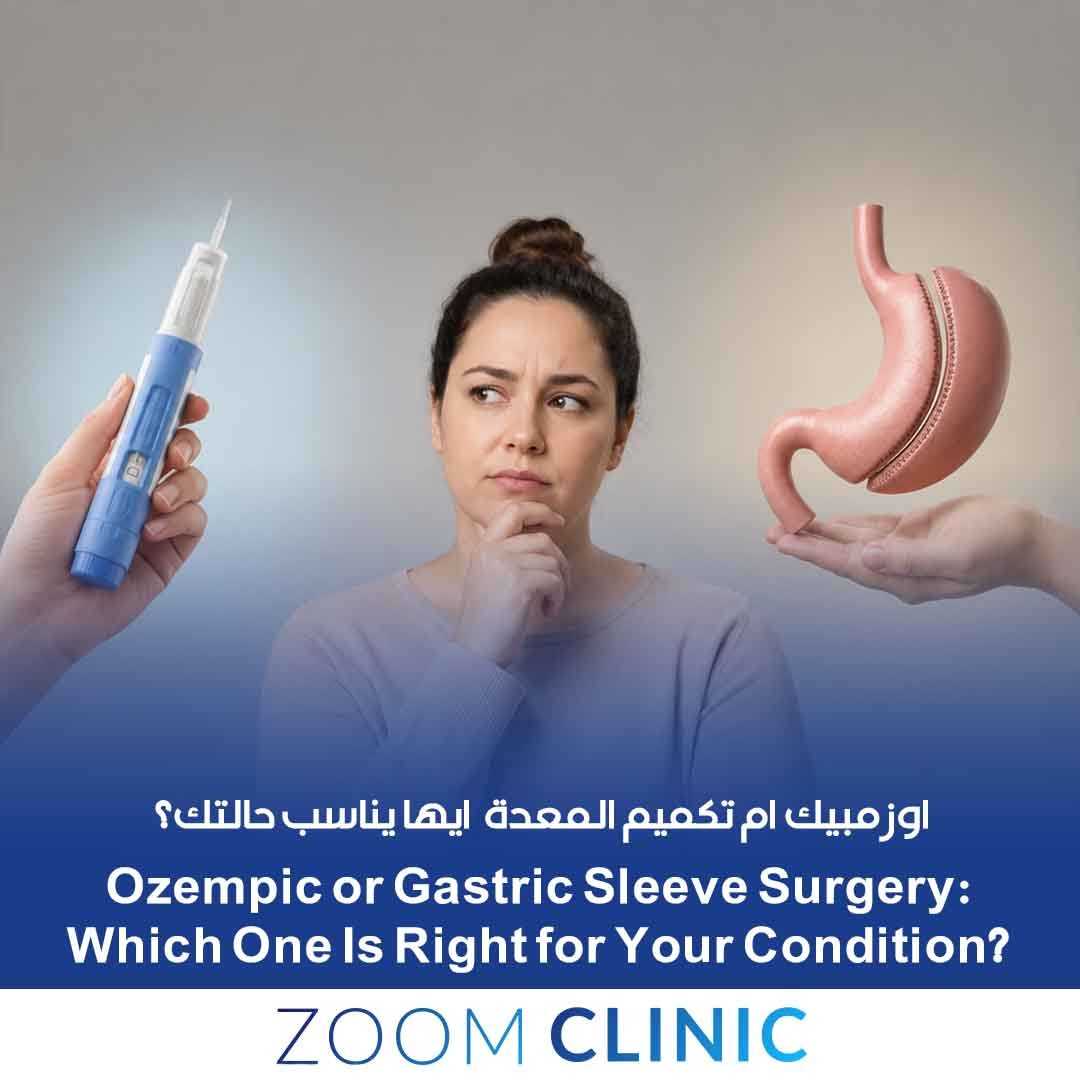
In a world where medicine is advancing at a remarkable pace, a patient struggling with obesity is no longer faced with a single option. While gastric sleeve surgery once represented the most prominent solution for those who had exhausted diets and exercise, Ozempic arrived to offer what seems like a simpler alternative. Yet this multiplied choice has given rise to a question that confuses many: Ozempic or gastric sleeve – which one truly suits my case?
The answer is not one-size-fits-all. A person carrying excess weight with a BMI of 32 is entirely different from someone suffering from morbid obesity with a BMI of 45. What suits a diabetic patient does not necessarily suit someone whose only issue is weight with no comorbidities. In this article, we place before you a comprehensive scientific and practical comparison between both options, so you can arrive at a decision built on solid ground.
content
What Is Ozempic and How Does It Work for Weight Loss?
The Mechanism of Semaglutide in the Body
Ozempic is the brand name for the compound Semaglutide, which belongs to a class of medications known as GLP-1 receptor agonists, meaning it mimics a natural hormone produced by the body called glucagon-like peptide-1. This hormone plays a pivotal role in regulating blood sugar and controlling appetite.
When Ozempic enters the body through weekly injections, it works through three primary mechanisms:
- Slows gastric emptying: Food stays in the stomach longer, producing a prolonged feeling of fullness
- Reduces food appetite: By directly influencing brain areas responsible for hunger and food cravings
- Lowers blood sugar levels: By stimulating insulin secretion and reducing glucagon production in the liver
The natural result of these combined mechanisms is consuming smaller amounts of food without experiencing intense hunger, which gradually leads to weight loss.
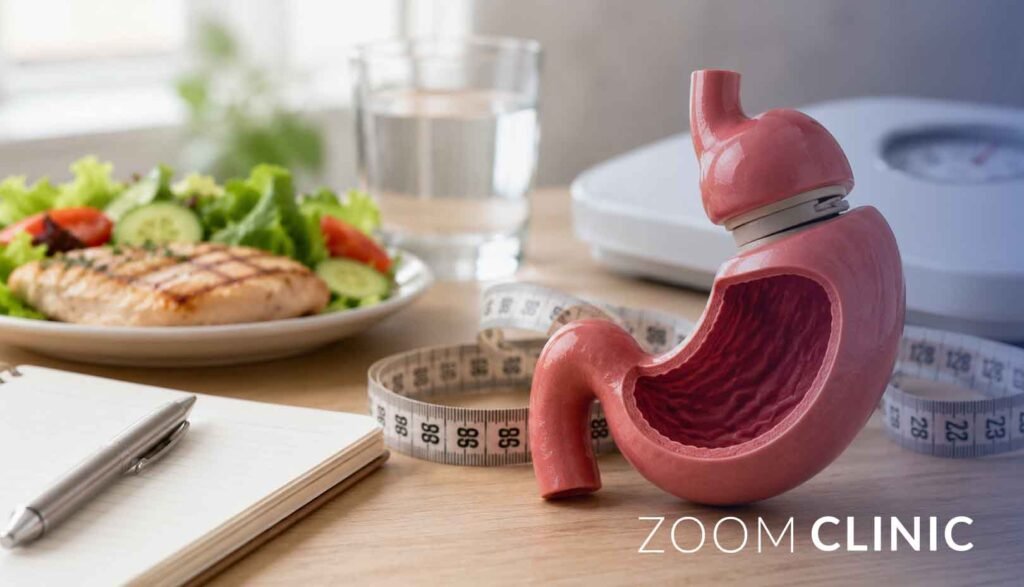
Ozempic or Gastric Sleeve
Who Was Ozempic Originally Designed For?
The striking paradox is that Ozempic was not originally developed as a weight loss medication, it was designed to treat type 2 diabetes and received regulatory approval for that purpose. Later, physicians noticed that patients were losing significant weight during treatment, prompting research toward leveraging this property in obesity management.
Today, Ozempic is widely used for those who:
- Suffer from obesity accompanied by type 2 diabetes
- Have excess weight with a BMI between 27 and 34, where surgery is unnecessary or undesired
- Wish to achieve preliminary weight loss before a subsequent surgical procedure
What Is Gastric Sleeve Surgery and What Makes It Different?
How Does Sleeve Surgery Produce a Hormonal, Not Just Physical, Change?
It is commonly believed that gastric sleeve surgery works solely by “shrinking the stomach” so it holds less food. This is partially true, but it overlooks the deeper and more significant aspect: the hormonal impact.
During sleeve surgery, approximately 75–80% of the stomach’s volume is removed laparoscopically, reshaping it into a narrow tube resembling a sleeve. But what truly distinguishes this procedure is that the removed portion includes the section that produces the hormone ghrelin, known as the “hunger hormone.” With this section gone, ghrelin levels drop significantly, and the patient no longer experiences the intense hunger that previously tormented them.
This dual change, anatomical and hormonal, is what makes sleeve surgery results far more sustainable compared to medication.
To explore this hormonal aspect in greater depth, you can read our article:The Most Important Reason for Weight Loss After Gastric Sleeve Surgery, The Appetite Hormone
Weight Loss Rates After the Sleeve, What Do the Numbers Say?
Medical statistics speak clearly:
- Ozempic patients lose on average between 10–15% of total body weight
- Gastric sleeve patients lose on average between 60–70% of their excess weight within the first year
- A study published in the New England Journal of Medicine confirms that most sleeve patients maintain a loss of approximately 25% of their total body weight after five years
The fundamental difference lies not only in the quantity, but in sustainability, sleeve results persist even years later, while weight is regained in many cases upon stopping Ozempic.
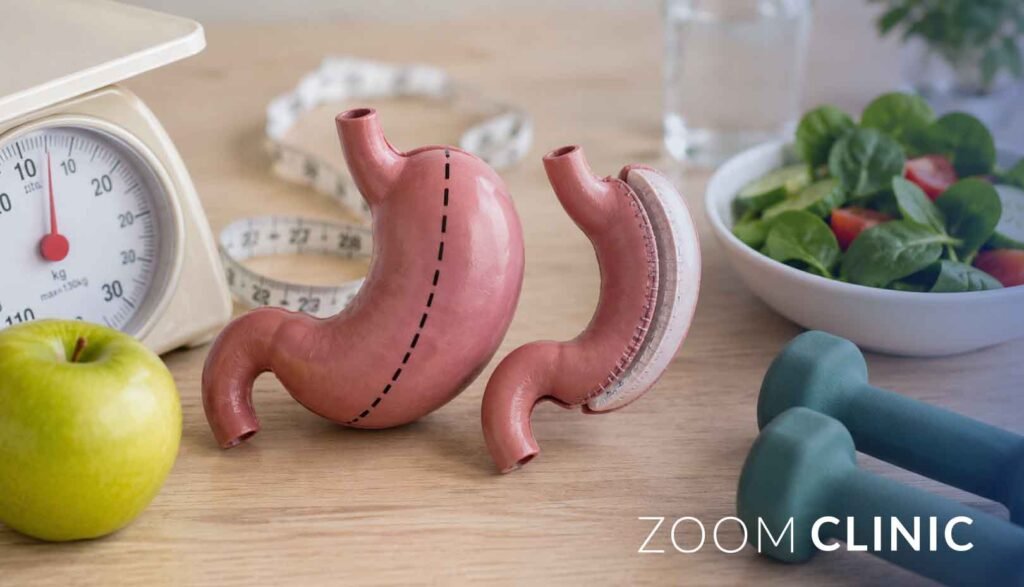
Ozempic or Gastric Sleeve
The Direct Comparison, Ozempic vs. Gastric Sleeve
| Comparison Criterion | Ozempic | Gastric Sleeve |
| Weight loss percentage | 10–15% of total body weight | 60–70% of excess weight |
| Sustainability of results | Tied to continued medication use | Permanent with lifestyle commitment |
| Nature of intervention | Non-surgical – weekly injections | Laparoscopic surgery |
| Hormonal impact | Temporary (as long as medication continues) | Permanent (removal of ghrelin-producing area) |
| Side effects | Nausea, vomiting, constipation, diarrhea | Rare but more severe: bleeding, leakage |
| Cumulative cost | Rising monthly with no end | One-time cost that decreases after two years |
| Weight regain | Common after stopping | Low with commitment |
| Comorbidities | Improves diabetes and blood pressure | Can resolve diabetes in many cases |
Long-Term Weight Loss Results
The major issue revealed by recent studies is what is known as the “relapse phenomenon” after stopping Ozempic. When a patient discontinues the injections, due to cost, side effects, or other health reasons, appetite gradually returns to its previous levels, and with it, the weight returns.
In contrast, gastric sleeve surgery fundamentally and permanently reshapes the patient’s relationship with food. It is not merely about having a smaller stomach, but about the feeling of hunger itself having changed.
Side Effects and Risks of Each Option
Ozempic is associated with common gastrointestinal side effects, most notably:
- Nausea and vomiting, especially in the first few weeks
- Constipation or diarrhea
- Gastric motility slowdown (Gastroparesis)
- In rare cases: gallbladder and pancreatic complications
Gastric sleeve risks are less frequent but more severe when they occur, and include:
- Bleeding or leakage along the staple line (a rate ranging between 1–3%)
- Vitamin and mineral deficiencies requiring lifelong supplements
- Acid reflux in some patients
Cost Over Two Years, Which Is Actually More Affordable?
This aspect surprises many: a scientific study published in the Annals of Surgery proved that the cost of sleeve surgery equals the accumulated cost of Ozempic after just one year, and after the second year, surgery becomes the more economical choice by a noticeable margin. This means that the option that appears “cheaper” at the outset may be the most expensive in the long run.
Which One Suits Your Case Ozempic or Gastric Sleeve?Medical Criteria for Choosing
When Is Ozempic the Most Suitable Option?
Ozempic may be the ideal choice if you:
- Have a BMI between 27 and 34, within the range of excess weight rather than morbid obesity
- Have type 2 diabetes and need improved blood sugar control alongside weight loss
- Are medically unfit for surgery due to chronic conditions that make general anesthesia risky
- Prefer to avoid surgery for personal reasons or need more time to prepare
- Are seeking preliminary weight loss before undergoing sleeve surgery at a later stage
When Is Gastric Sleeve Surgery the Optimal Solution?
Sleeve surgery becomes the most appropriate medical choice when:
- BMI is 35 or above with comorbidities such as diabetes, hypertension, or sleep apnea
- BMI is 40 or above even without comorbidities
- There has been prior failure with diets and medications that proved ineffective long-term
- A permanent solution is desired that does not require dependence on ongoing medication
- The long-term budget is limited, as the sleeve becomes more economical after two years
To get a complete picture of this procedure’s advantages and challenges, read: Pros and Cons of Gastric Sleeve Surgery in Türkiye
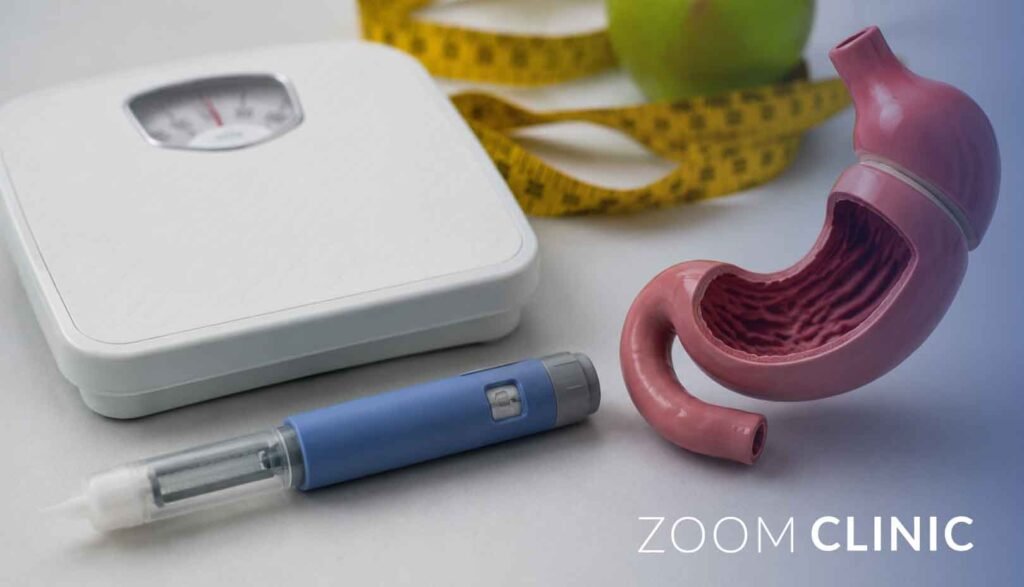
Ozempic or Gastric Sleeve
Can Ozempic and Gastric Sleeve Be Combined?
Yes, and this is what some physicians resort to in specific cases. There are two primary scenarios:
Before the sleeve: Ozempic is sometimes prescribed for patients with morbid obesity to reduce weight and decrease fatty liver volume, which facilitates surgical access and reduces anesthesia complications.
After the sleeve: In cases where weight loss stalls after surgery, known as a “plateau”, the physician may turn to Ozempic as a temporary supportive tool.
In both cases, this decision is never made by the patient alone, it is subject to precise medical evaluation by a bariatric surgery specialist.
Why Do So Many Choose to Have the Sleeve Done in Türkiye?
In recent years, Türkiye has become a leading medical destination for those seeking gastric sleeve surgery at a competitive cost and a high medical standard. What sets this option apart:
- Cost: Reaches approximately one-third of the cost in Europe or the Gulf region, while maintaining international medical standards
- Surgical expertise: Thousands of sleeve procedures are performed in Türkiye annually, giving surgeons extensive hands-on experience
- Comprehensive packages: Many centers offer all-inclusive packages covering accommodation, follow-up care, and translation services
If you are considering the procedure, you can find more details at: Gastric Sleeve and Gastric Bypass Surgery in Gaziantep
Frequently Asked Questions About Ozempic and Gastric Sleeve
Is Ozempic a Real Alternative to Gastric Sleeve Surgery?
Ozempic is not a complete alternative to gastric sleeve surgery; it helps reduce appetite and lower weight gradually, but requires continuation to maintain results. The sleeve, on the other hand, produces a permanent anatomical and hormonal change that makes its results more stable, particularly in cases of morbid obesity.
What BMI Requires the Sleeve Instead of Ozempic?
Gastric sleeve surgery is generally recommended at a BMI of 40 or above, or at 35 with comorbidities such as diabetes or hypertension. Ozempic may suit those with a BMI between 27 and 35 who seek moderate weight loss under medical supervision without resorting to surgical intervention.
Does Weight Return After Stopping Ozempic Injections?
Yes, studies indicate that many patients regain a significant portion of their weight after stopping Ozempic, as the medication does not alter the structure of the digestive system. Commitment to a healthy lifestyle is therefore a parallel necessity to the treatment, and sudden discontinuation without an alternative dietary plan accelerates relapse.
Can Ozempic Be Used Before or After Gastric Sleeve Surgery?
Yes, some physicians prescribe Ozempic before the sleeve to reduce weight and prepare the body for surgery, and it may be used afterward for those experiencing a weight loss plateau. This combination is always subject to medical evaluation and is only decided upon after consulting a bariatric surgery specialist based on each patient’s individual case.
What Are the Main Cost Differences Between Ozempic and Gastric Sleeve in Türkiye?
Ozempic’s cost is recurring monthly and accumulates over time, whereas gastric sleeve surgery in Türkiye represents a one-time investment at a competitive cost compared to European countries. Some studies indicate that the total cost of the sleeve may equal the cost of continuous Ozempic use after just two years.
The Bottom Line, The Decision Is Yours, and the Consultation Starts Here
There is no universally better choice between Ozempic or gastric sleeve surgery, both have proven effective in specific contexts. The real difference lies in your particular health situation: your current weight, comorbidities, expectations, and long-term commitment capacity.
What both options share is that each requires a sustainable healthy lifestyle to deliver full results, and that specialized medical consultation is the true key to the right decision.
If you have already taken the step toward the sleeve and want to know what awaits you in terms of nutrition, you can read our comprehensive guide: Diet After Gastric Sleeve Surgery
The content in this article is for educational purposes only and does not substitute a consultation with a specialized physician to evaluate your individual case.
Get the special offer today from Zoom Clinic